An unexpected turn away from music, a childhood spent across cultures, and nearly three decades of leadership helped shape the Minneapolis executive’s
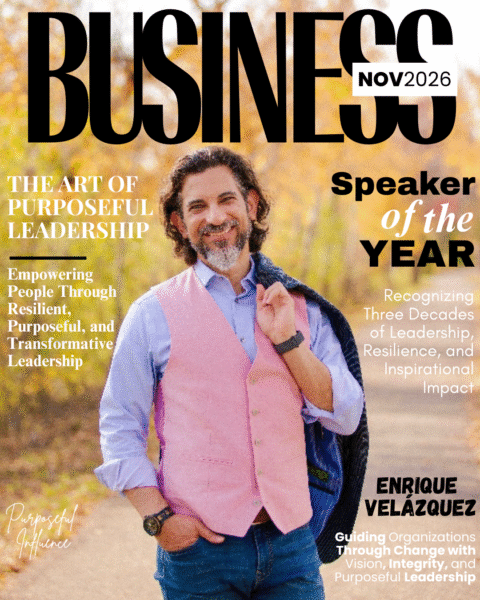

An unexpected turn away from music, a childhood spent across cultures, and nearly three decades of leadership helped shape the Minneapolis executive’s
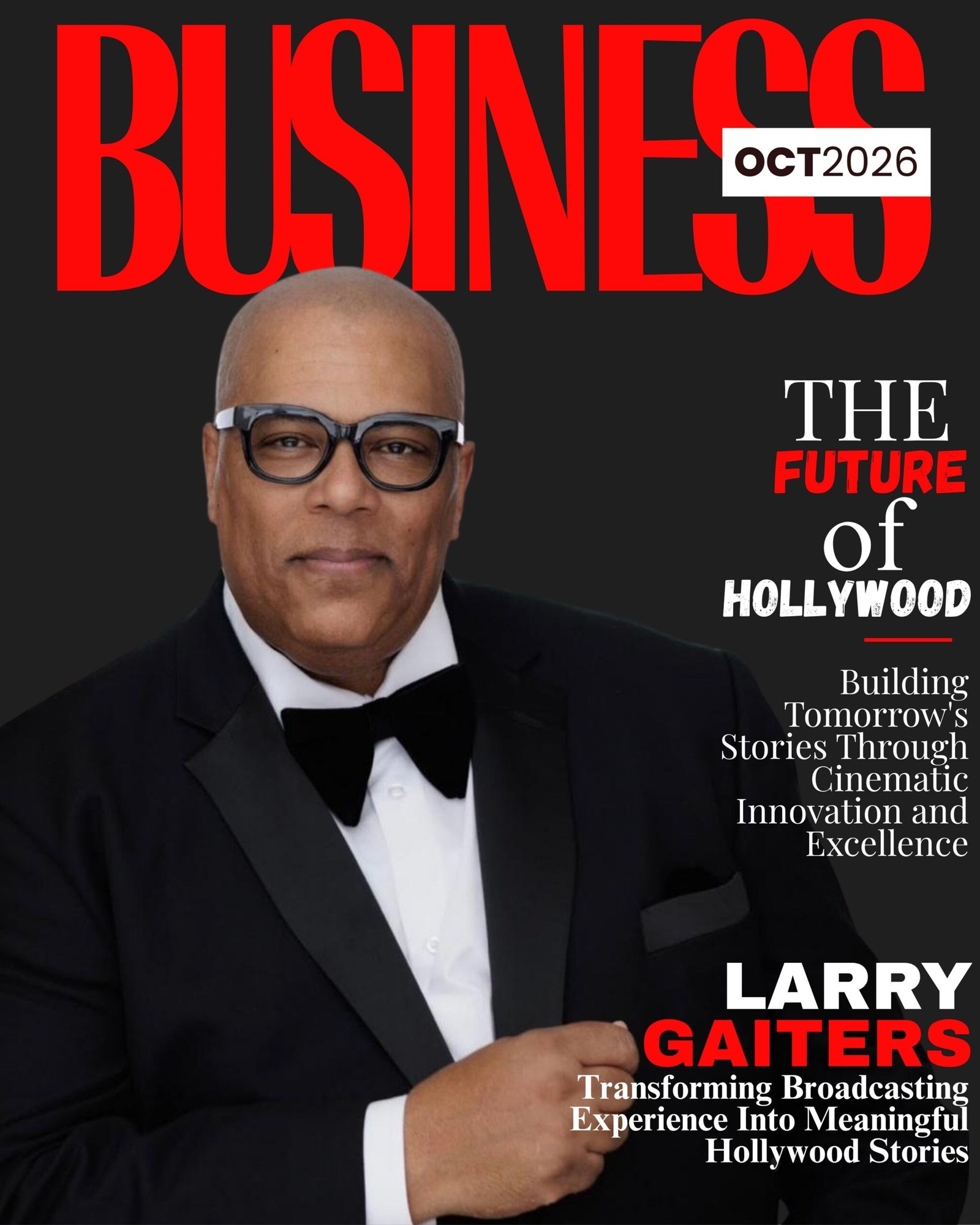
With more than three decades in media, Larry Gaiters is expanding into film, television, and independent production with a vision centered on
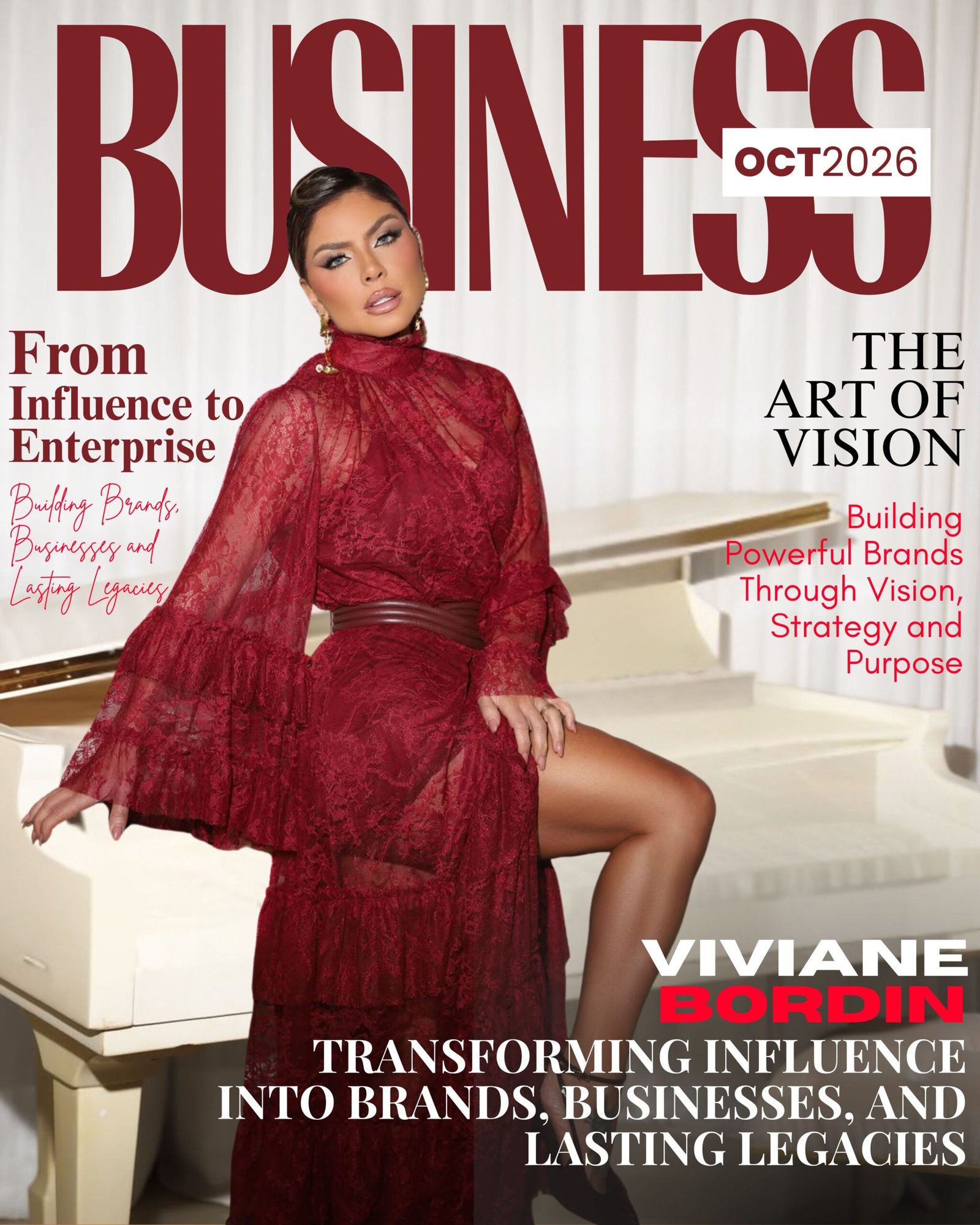
From communications and beauty to brand development and real estate, Viviane Bordin has shaped a business career grounded in reinvention, independence, and

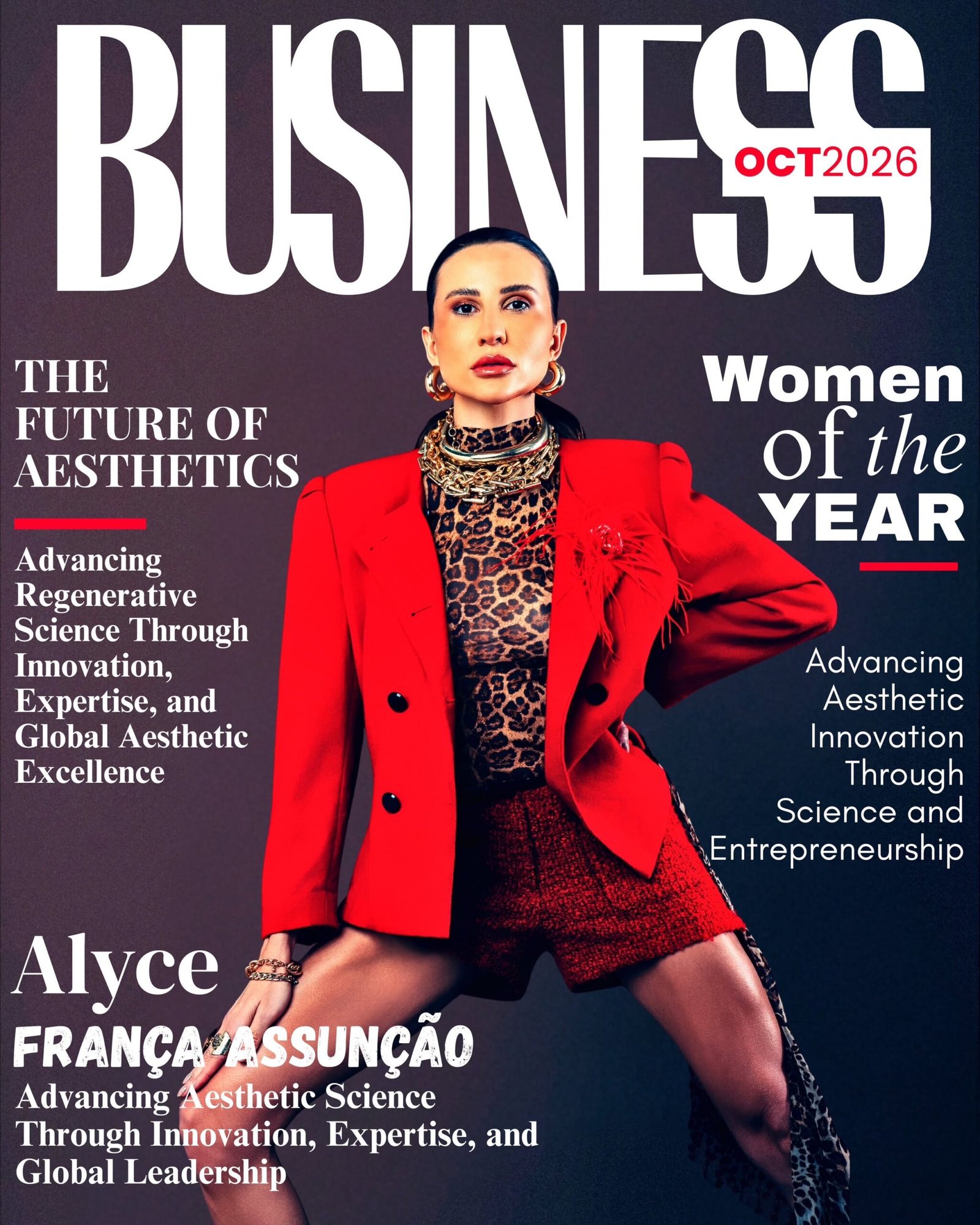
From the heart of Brazil’s Pantanal to the stage at AMWC Dubai, the founder of AFA Instituto de Estética Avançada e Emagrecimento
Get exclusive business insights, founder stories, and global market updates delivered straight to your inbox.
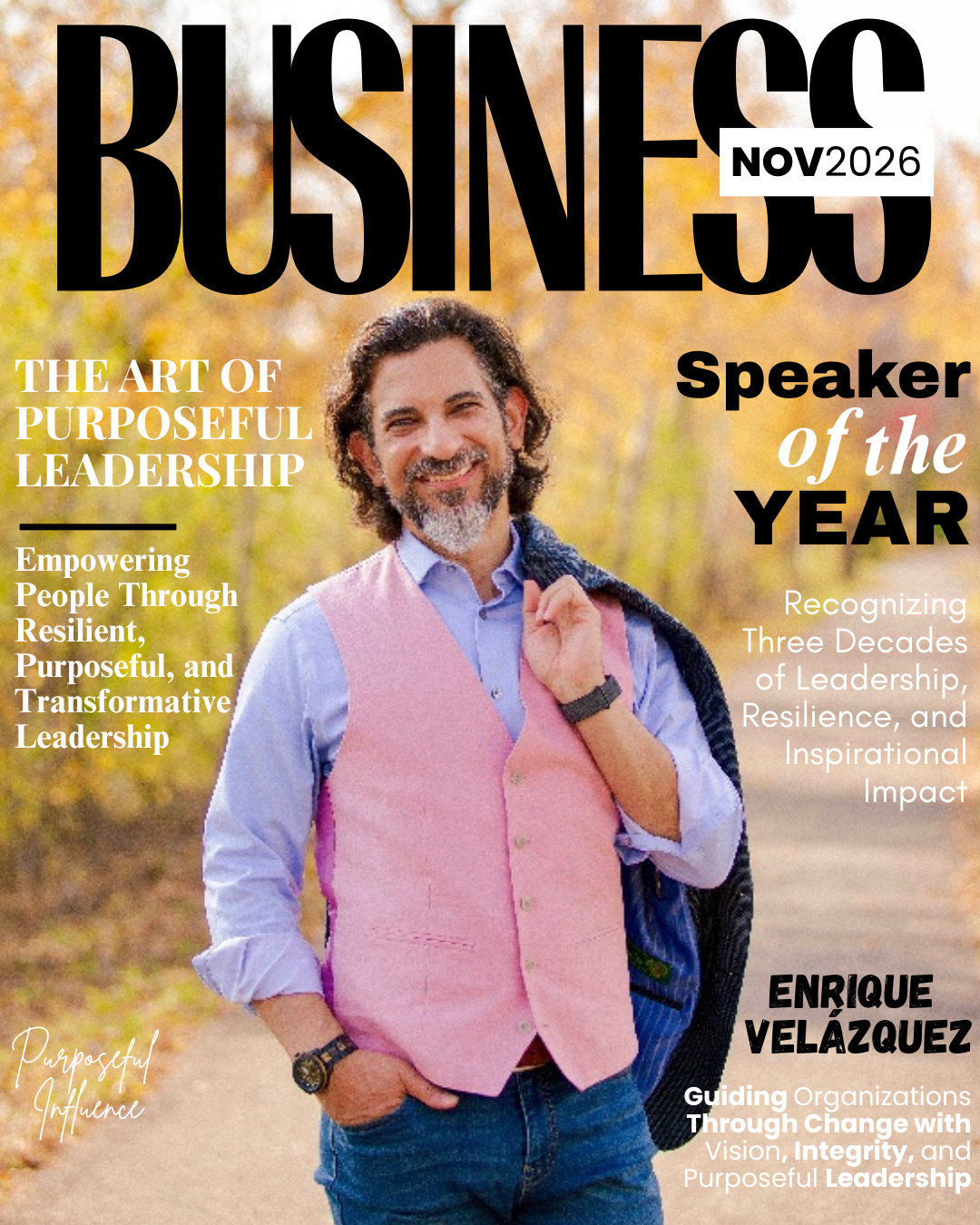
An unexpected turn away from music, a childhood spent across cultures, and nearly three decades of leadership helped shape the Minneapolis executive’s belief that the most important part of any organization is its people.
Enrique Velázquez | Founder, Velazquez Leadership Studio LLC
A music conductor saw a future for Enrique Velázquez that he had only just begun to imagine for himself.
It was his senior year of high school; Velázquez was performing with the Georgia All-State High School Orchestra. He devoted years to playing stringed instruments, finding in music a form of expression more natural than spoken word. After the performance, the conductor approached him with an invitation, “I’ve been watching you all week. You have a gift. I want you in my orchestra, in Dallas.”
For an emerging musician, the offer was an extraordinary affirmation. That the years of devotion to his passion would help him realize his dream. The moment did not unfold as he hoped. His stepfather dismissed the possibility of a professional future in music. Despite the conductor’s insistance, Velázquez accepted the judgment and declined the opportunity.
The judgment remained with him. Not only because of the path he did not take, but because of the belief he carried with him from that moment on as though the words were branded into him—you are not good enough.
Today, Velázquez serves as Director of the Regulatory Services Department for the City of Minneapolis, is founder of Velazquez Leadership Studio LLC, and is a speaker whose TEDxDuluth talk has amassed more than two million views. Even still, the experience of that young musician remains integral to understanding his work.
As the son of a United States Army soldier, Velázquez grew up navigating between countries and cultures as his family transitioned between temporary duty stations. Each relocation meant adjusting to another community, another set of customs, and sometimes an entirely new way of viewing the world.
There was the formal education he received in school. Then there was the unwritten education learned outside of it. Living in community, among the locals, he observed how people related to another, what they valued, and how they responded to differences.
Fluent in English and Spanish, Velázquez continues to draw on that cross-cultural upbringing. He is also an avid traveler and lifelong learner of human and organizational behavior, paying particular interest to decision-making and the human consequences of leadership.
For someone who would eventually lead teams through civic emergencies and organizational upheaval, these interests became more than intellectual pursuits. They offered novel ways to examine a recurring question: how do decisions made by those in positions of authority impact the people who must live through the outcomes?
As a young man, Velázquez had reason to believe music might become his future. He had gained mastery with two stringed instruments before picking up the double bass. In his third year on double bass, he competed against 16 other musicians from around the world and earned one of four double bass openings to continue his music study in conservatory.
Music was more than an accomplishment. Naturally introverted, he found that playing allowed him to communicate something of himself in ways that other means of communication failed.
The conductor’s invitation in Georgia placed him at the threshold of the door he felt destined to open. His stepfather’s response cut off access to it, at least for the time being.
Later, while attending university, he suffered a severe injury to his left arm while playing football. Emergency reconstructive surgery followed by years of physical and occupational therapies; he never regained the promise of his playing ability, leaving him to explore other forms of self-expression to find connection.
The injury did not cause his earlier decision to decline the opportunity to join the symphony in Dallas. It did distance him from the possibility of returning to the musical future he once envisioned.
What endured was the effect of the overarching belief that he was not good enough. Velázquez came to recognize how easily another person’s judgment can leave a latent imprint on someone else’s identity. In his case, the belief that he was not good enough appeared as hesitation, perfectionism, reluctance to take risks, and a sense of unworthiness.
Velázquez spent 17 years in global high technology operations, where systems, scale, and performance are critical for organizational success. The experience taught him how complex operations function; how decisions affect outcomes far beyond an individual department.
He later moved into municipal government with the City of Minneapolis. After holding leadership positions within Public Works then Community Planning and Economic Development, he was appointed as Director of the Regulatory Services Department in August 2023. In his decade within municipal government, he has directed a department with more than 200 employees while navigating organizational change, evolving public service demands, and periods of crisis.
His responsibilities have included work connected to homelessness response and housing instability, and the City’s response to and recovery from federal immigration enforcement—areas in which government decisions have immediate and lasting consequences for the people they are meant to serve.
Velázquez saw how easily institutions could become preoccupied with protecting procedures, reputations, and established ways of operating. He also saw the pressure this placed on colleagues and leaders trying to do meaningful work within complicated systems.
His MBA in Nonprofit and Public Management and Harvard Kennedy School certificate in Strategic Management of Regulatory and Enforcement Agencies added formal study to lessons already tested in practice.
One experience involving an employee stayed with Velázquez. The employee appeared resistant to change and frequently responded negatively to current ideas. From a distance, the behavior might have seemed like a straightforward performance or attitude problem.
Velázquez chose to ask what was behind it. He learned that the employee had spent more than a decade under a supervisor who openly criticized and shamed staff in front of their peers, with little regard for the human toll these actions would yield. What looked like unwillingness to participate was shrouded in years of learned behavior that speaking openly came with a real personal cost—humiliation, reprisal, and loss of confidence—before leading to disengagement.
The discovery did not mean expectations disappeared. It meant he could approach the situation with a better understanding of the person involved.
Employees bring more than technical skills and knowledge into the workplace. They also bring experiences of encouragement and rejection, trust and fear, belonging and isolation. A leader who overlooks that history may misunderstand the very behavior they are trying to address.
Velázquez would eventually describe his approach through a framework called See-Serve-Empower. Its foundation was straightforward: see what a person carries, respond with purpose, and help create conditions in which that person can flourish.
Velázquez developed The Bent Key Principle to make sense of how experiences shape a person’s identity. Its metaphor is deliberately ordinary: a key may become bent, but that does not mean it has lost its purpose or its access to the door it is designed to unlock.
Family experiences, disappointment, professional setbacks, criticism, and adversity can influence the stories individuals believe about themselves. Some are useful. Others become barriers long after the original circumstances have passed.
“No one’s key is straight. Every key is shaped by story. The work is not to erase that story, but to work with it on the inside and on the outside.”
The principle does not suggest that every hardship carries a hidden benefit or that determination can overcome every structural obstacle. Instead, it asks people to recognize the beliefs influencing their decisions and consider whether those beliefs still deserve the authority they hold.
For Velázquez, the metaphor carries the memory of a moment when another person’s assessment became more powerful than his own. His broader leadership work asks those in authority to consider how their actions may become part of someone else’s story.
On February 6, 2026, Velázquez delivered a TEDxDuluth talk titled “What Happens When Leaders Put People First.” He spoke from experience rather than from a career devoted exclusively to motivational speaking. His perspective had been developed through years of operational responsibility and the challenge of balancing institutional demands with human needs.
The presentation has since attracted more than two million views. It also ranked ninth on Best of TEDx’s global list of the 50 most-watched talks for the first half of 2026.
In October 2026, Velázquez spoke at Gateway Gathering and Pitch Fest, engaging with professionals in the speaking and events industry. He will speak at the Global Summit on Women Empowerment in Paris in March 2027 and in the United Kingdom in October 2027.
As a teenager, he found his voice, a way to communicate emotionally, through music performance. As an adult, he has found another means of reaching people; this time through stories and lessons drawn through lived experience. The pathway he once envisioned for himself did not materialize as he imagined. The desire to communicate something meaningful has and continues to take shape.
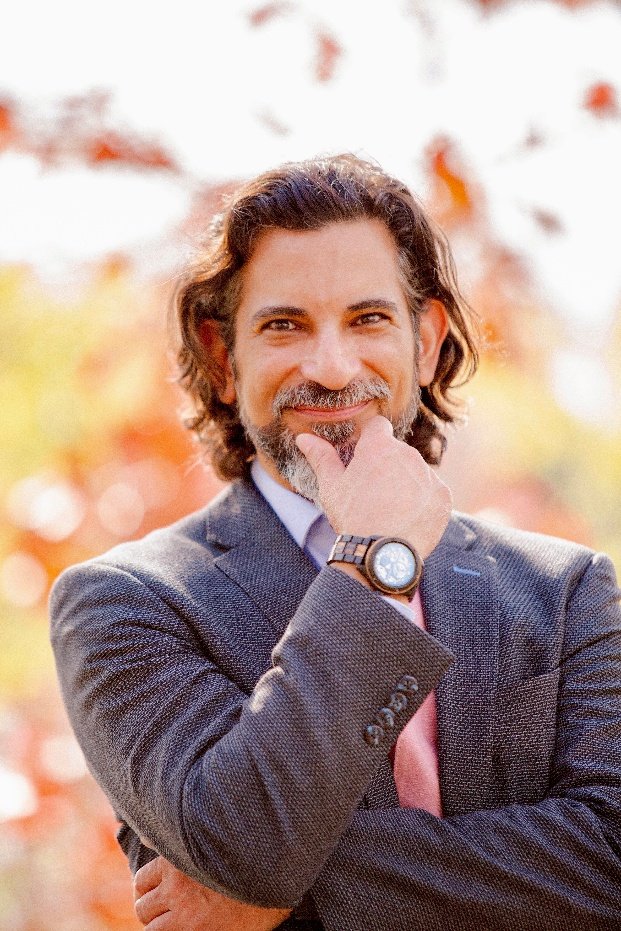
Velázquez founded Velazquez Leadership Studio LLC to bring his leadership philosophy to a wider audience through speaking, writing, and coaching. His work includes the People-First Leadership Operating System, the Bent Key Principle, and the Yo-Yo Paradox, a concept that addresses the friction that emerges when bent keys remain unattended and interact with one another.
He is writing his first book, The Bent Key Principle: What Happens When Leaders Put People First, with plans to expand his authorship through additional publications, including a periodical called The Bend.
His longer-term ambitions include growing his speaking and authorship platform internationally while continuing to develop practical ideas for leaders navigating change, crisis, and organizational culture.
Velázquez is not presenting himself as someone whose professional success erased the difficulties of his past. Rather, he is examining how those experiences shaped him into the leader he is, including the way he responds to the vulnerabilities and capabilities of others.
The conductor’s invitation in Georgia remains a striking moment in the Velázquez origin story. It was an opportunity that might have led him toward a markedly different life. There is no way to know what would have happened had he accepted.
What is known is the path that followed. He spent years learning to lead in complex organizations. He assumed responsibility for teams and public services. He developed a philosophy shaped by encounters with people whose experiences were not always visible on the surface.
The story is not one of how disappointment radically transformed into success. Nor does it suggest that the loss of his musical future was necessary for the life he built in the aftermath. It is a story about the possibility of leading with purpose while navigating through a life altered by unplanned events.
“Your history bent the key. Your choices turn it.”
The young musician did not become the professional player as he once hoped. He became someone who could speak about what that experience taught him, and about what leaders owe the people whose potential they have the power to influence. He has become a conductor of leadership and of life.
Photo: Heidi Garrido
The instrument changed. The story continued.